The most important thing
2025
Work created for an exhibition in Barcelona Responding to the project's key questions and themes.
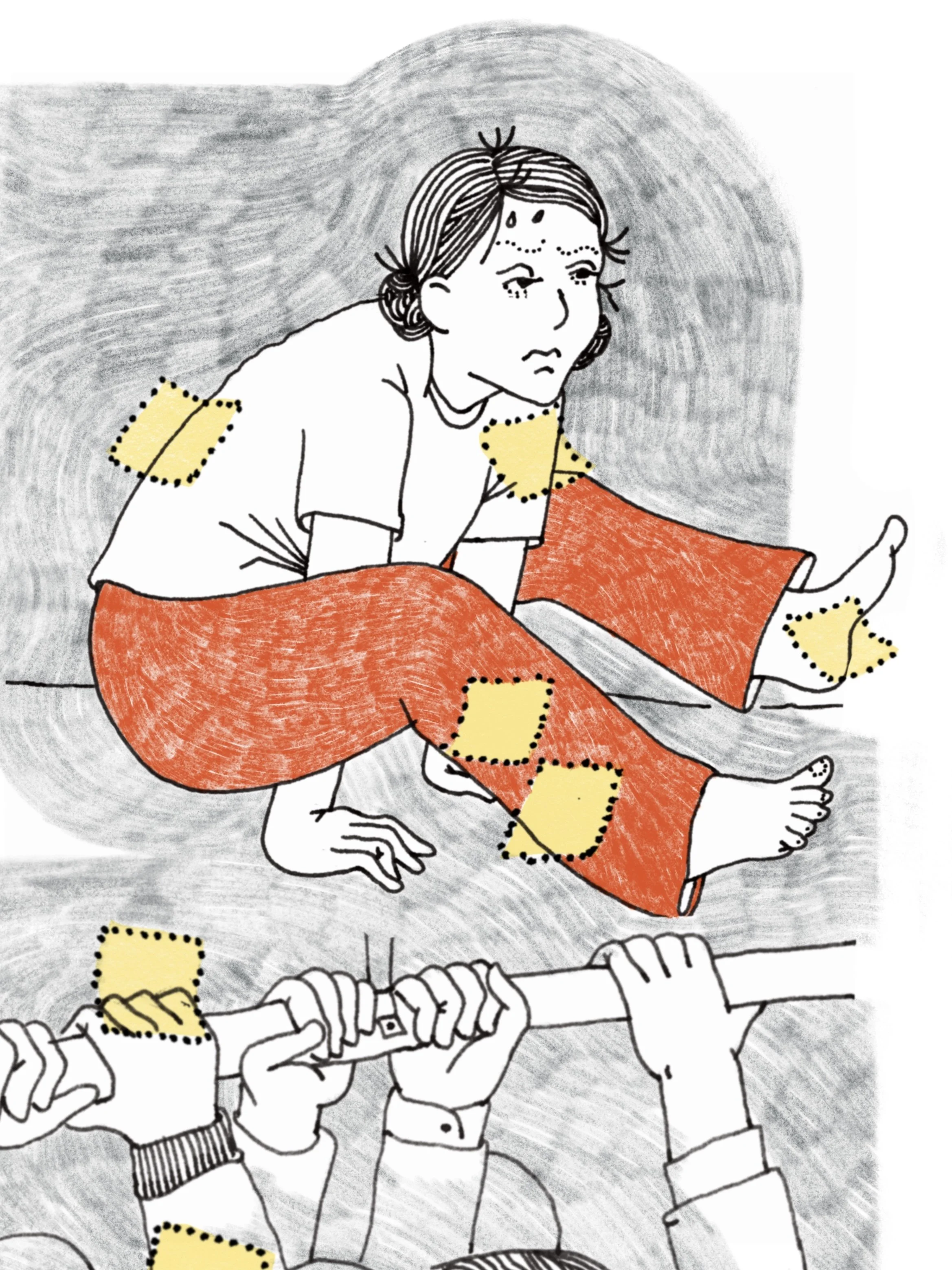
Do we have time to think about all this before falling into a depression?
What happens if we lose the right to enjoy the process, make mistakes and experiment?
How do we pay for a psychologist?
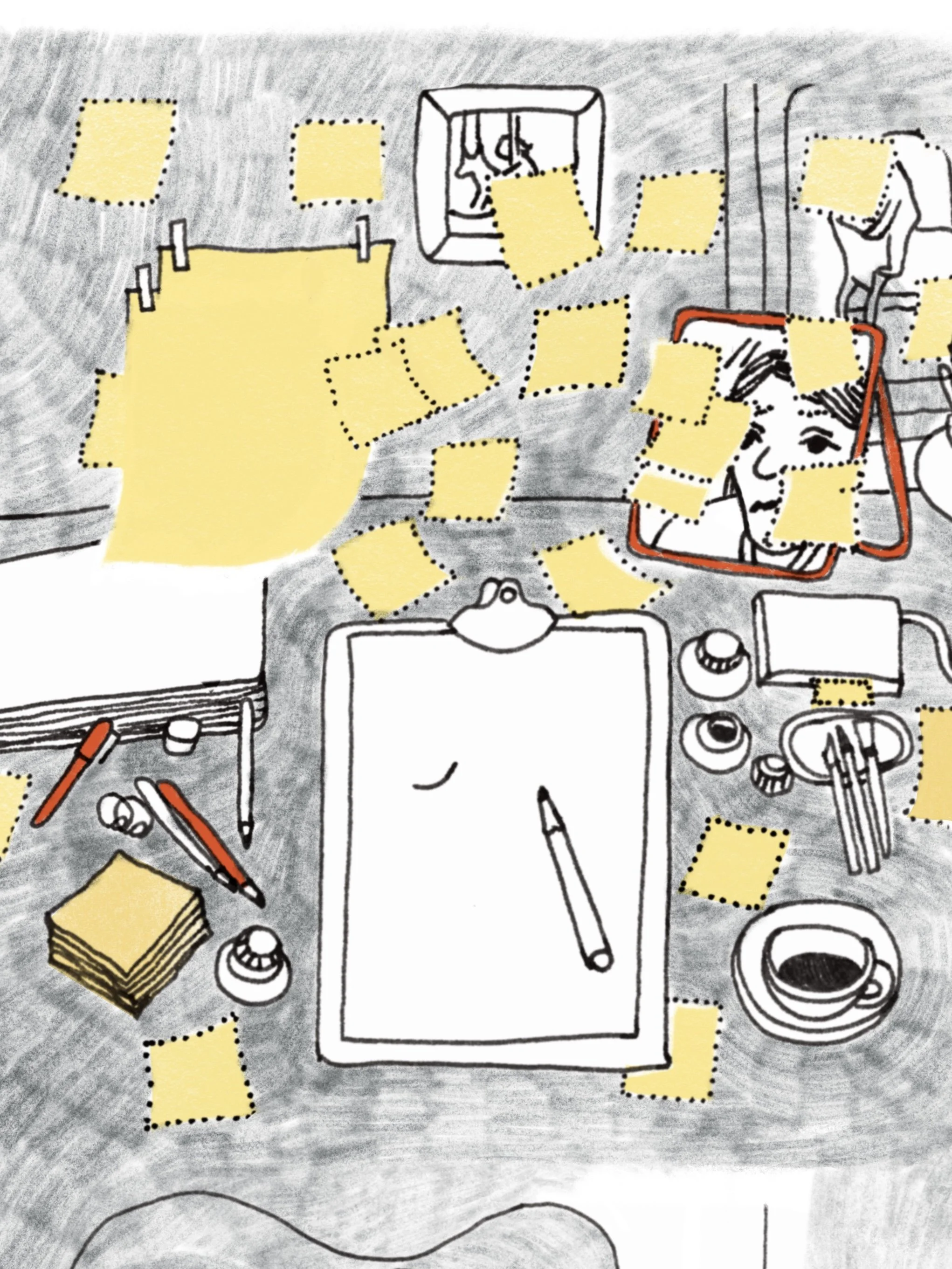
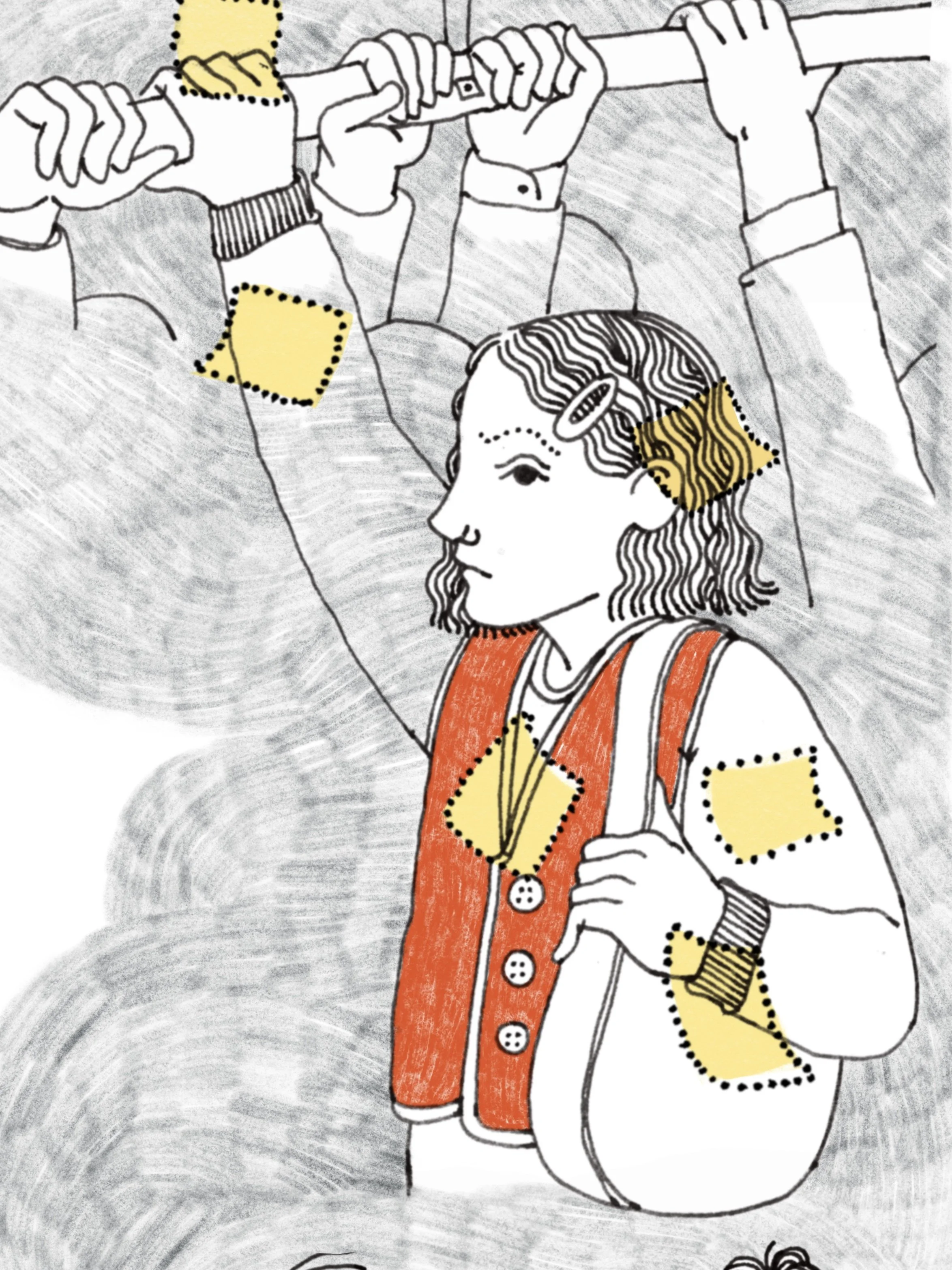
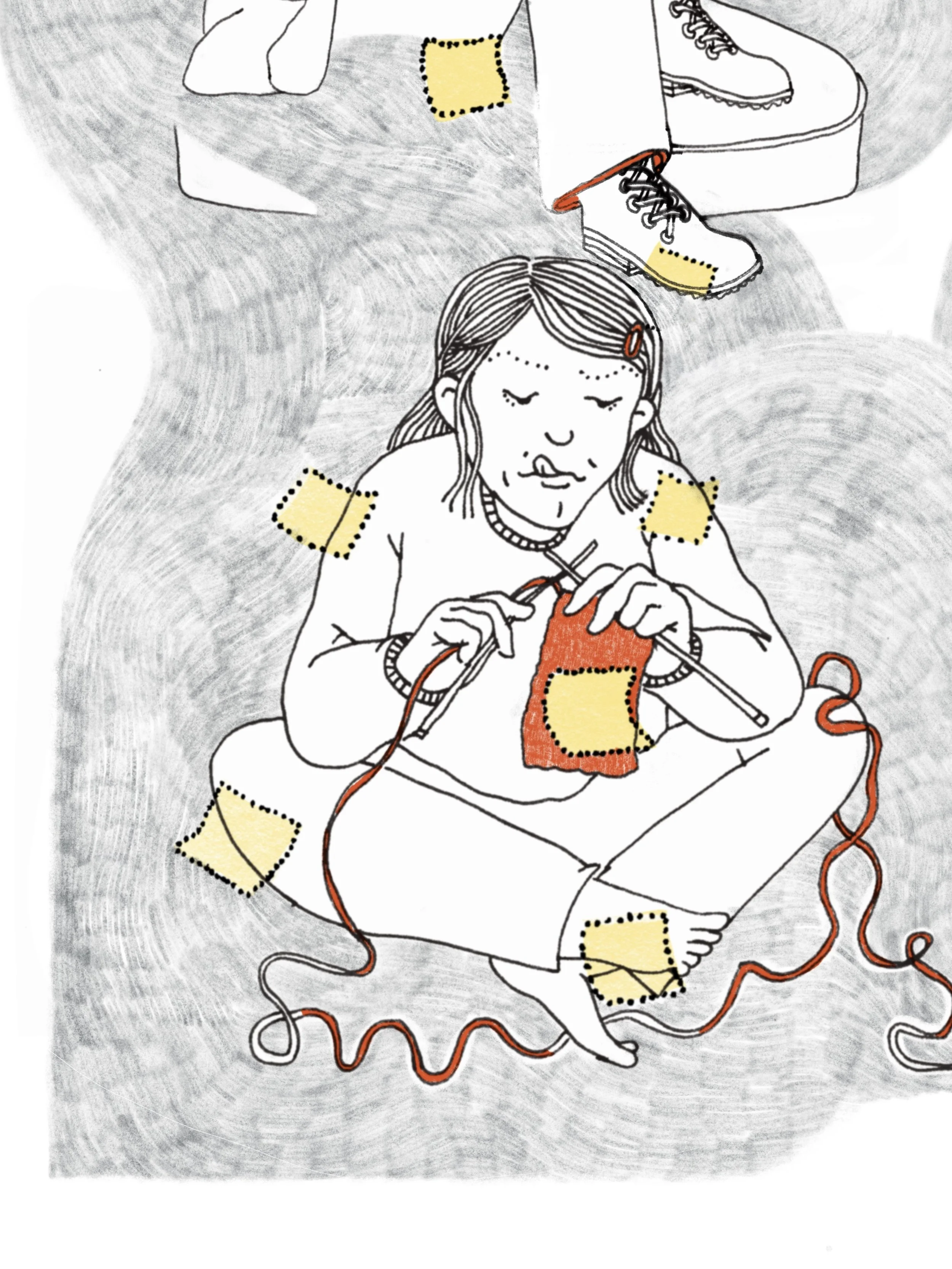
„Creating, half the story.” The rest—the messy, joyful, exhausting part—comes from learning, sharing, and staying visible, from noticing the quiet power your work carries and the subtle ways it can shape meaning. Trouble begins when all of this, along with the lure of “what could be,” floods in at once, leaving no breathing room. Then “must” overtakes “want,” and the delight of curiosity, the spark of exploration, starts to dim.
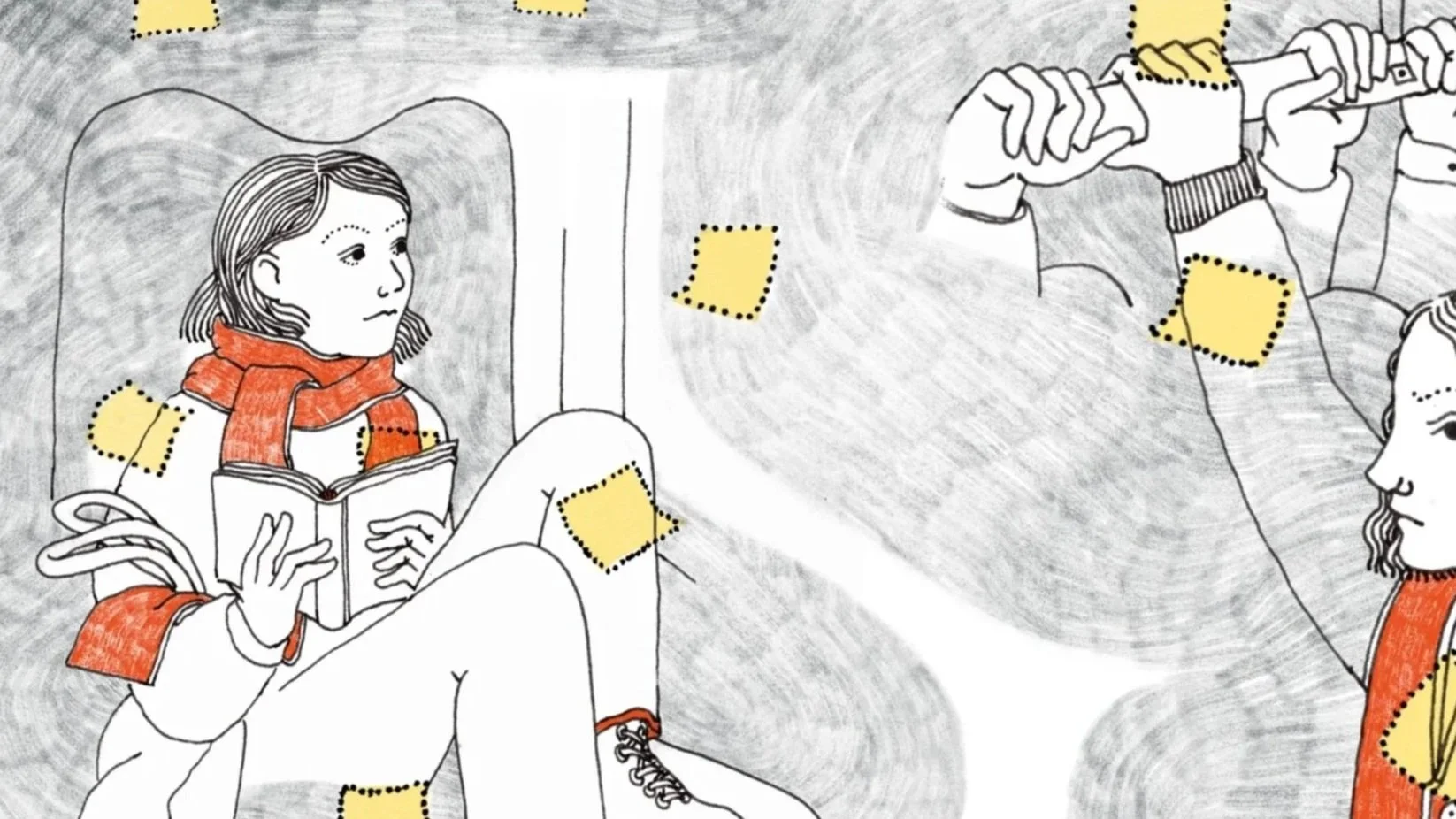
When obligation overshadows desire, anxiety sneaks in, unannounced. Restlessness drains both the energy that fuels creativity and the life force that sustains it. Fatigue curls like smoke around your thoughts, clouding perception and stealing your breath in slow, imperceptible increments. In that haze, the line between living and performing blurs; genuine growth dissolves into rote repetition; the work that once felt vital becomes a checklist, and soon you barely notice you’ve stepped off your own path. Even small acts of rest—the weekend stolen from deadlines—feel like betrayals, though they are exactly what you need.
I learned this not through virtuous diligence, but through obsession—mistaking endless motion for progress. I filled notebooks with lists, deadlines (which I chose to make very short so I could do more and learn faster), and efficiency tricks, all while feeding the quiet terror of lagging behind. The result was motion without direction, a treadmill disguised as forward momentum. And even when the mind knew help was necessary, questions arose: how do we pay for a psychologist? How do we prevent healing itself from becoming yet another item to tick off?
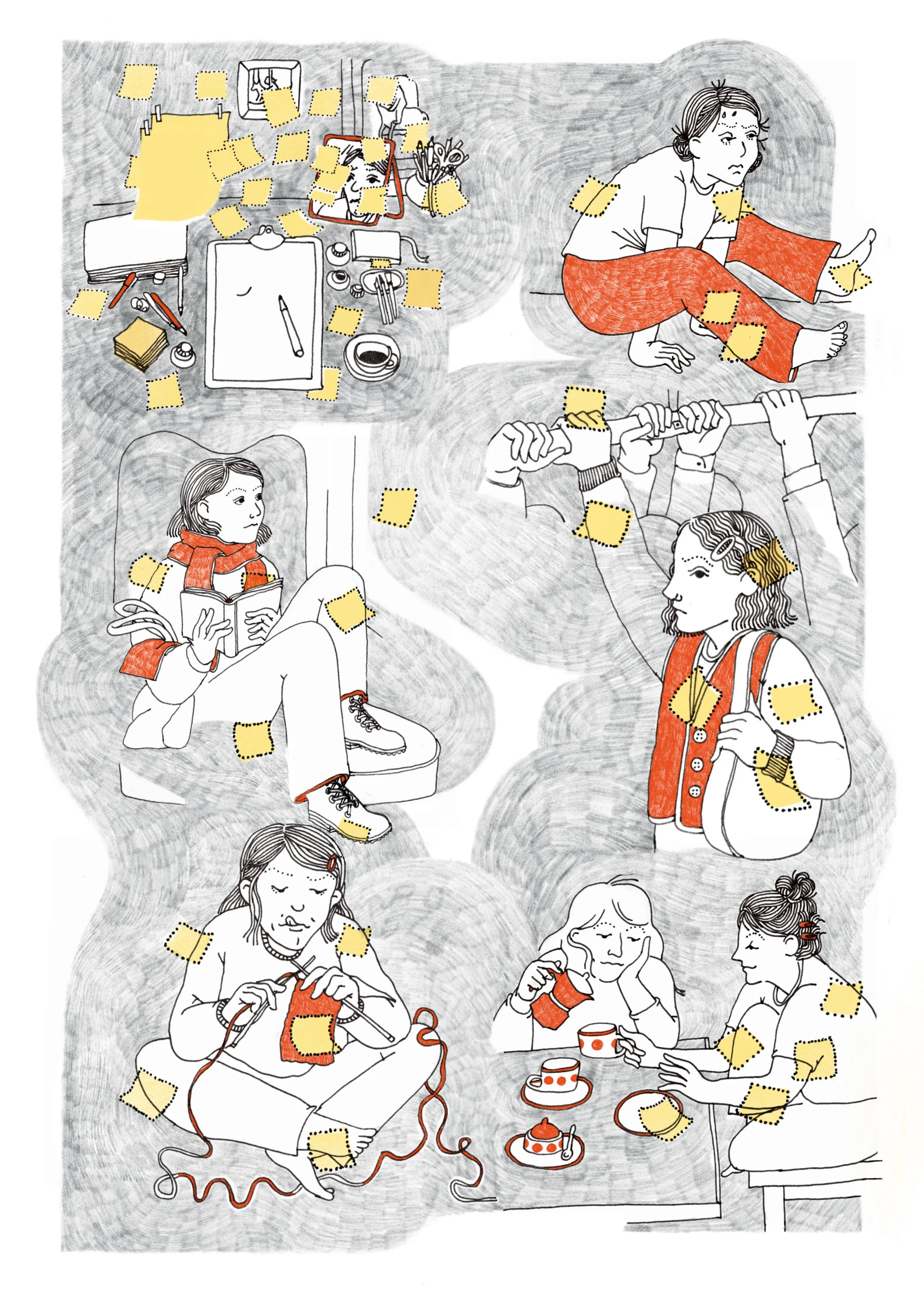
This fixation on productivity, amplified by the invisible hand of AI and endless comparisons, pressures us to measure ourselves solely in speed and volume. Yet illustration—any serious creation—demands more: curiosity, reflection, self-discovery, and the attempt to understand why we do what we do and what we truly wish to convey. Its value lies not in the quantity of boxes checked, but in the impressions shaped, the ideas crystallized, the clarity achieved. Each step deserves its own pace.
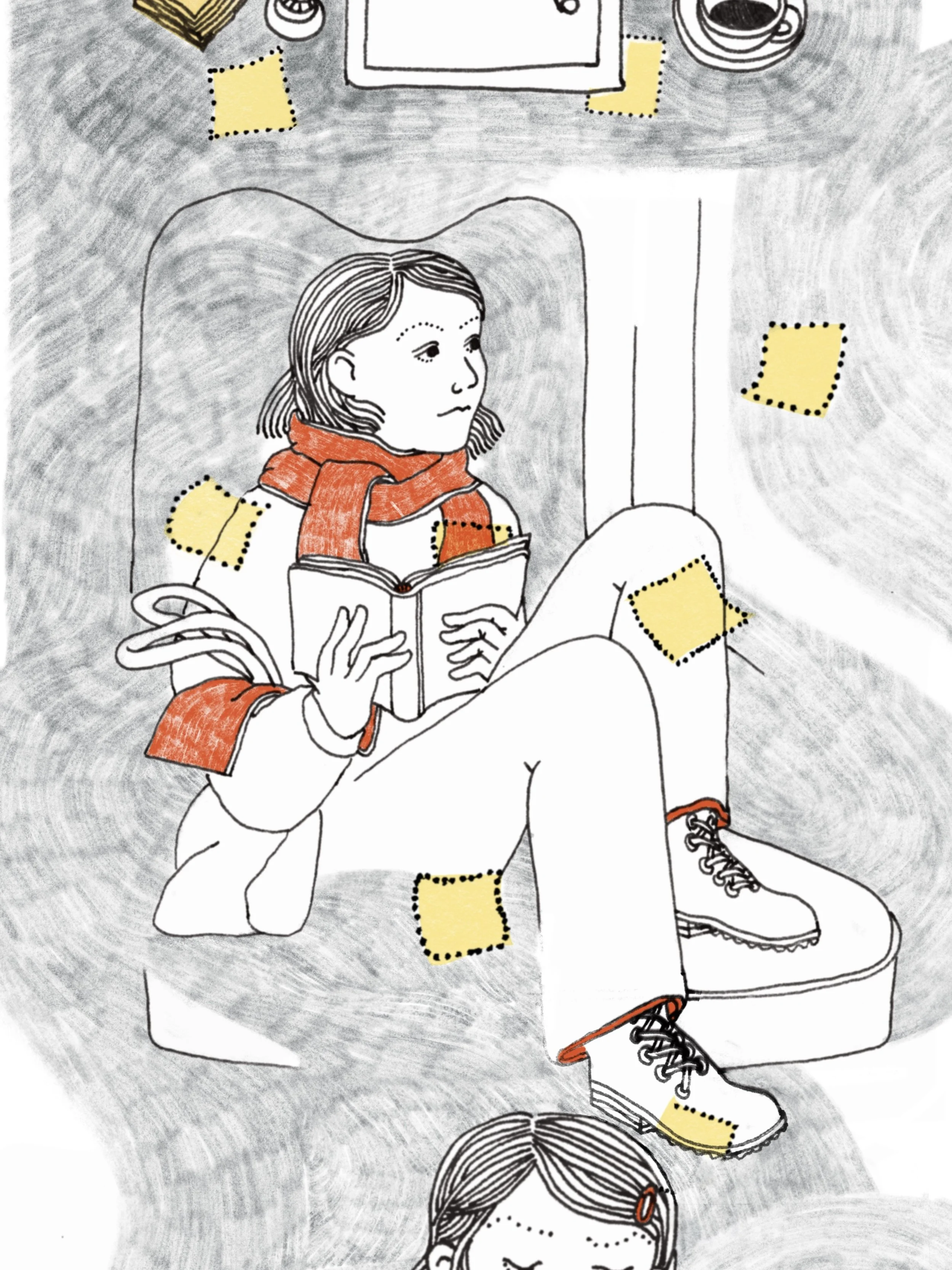
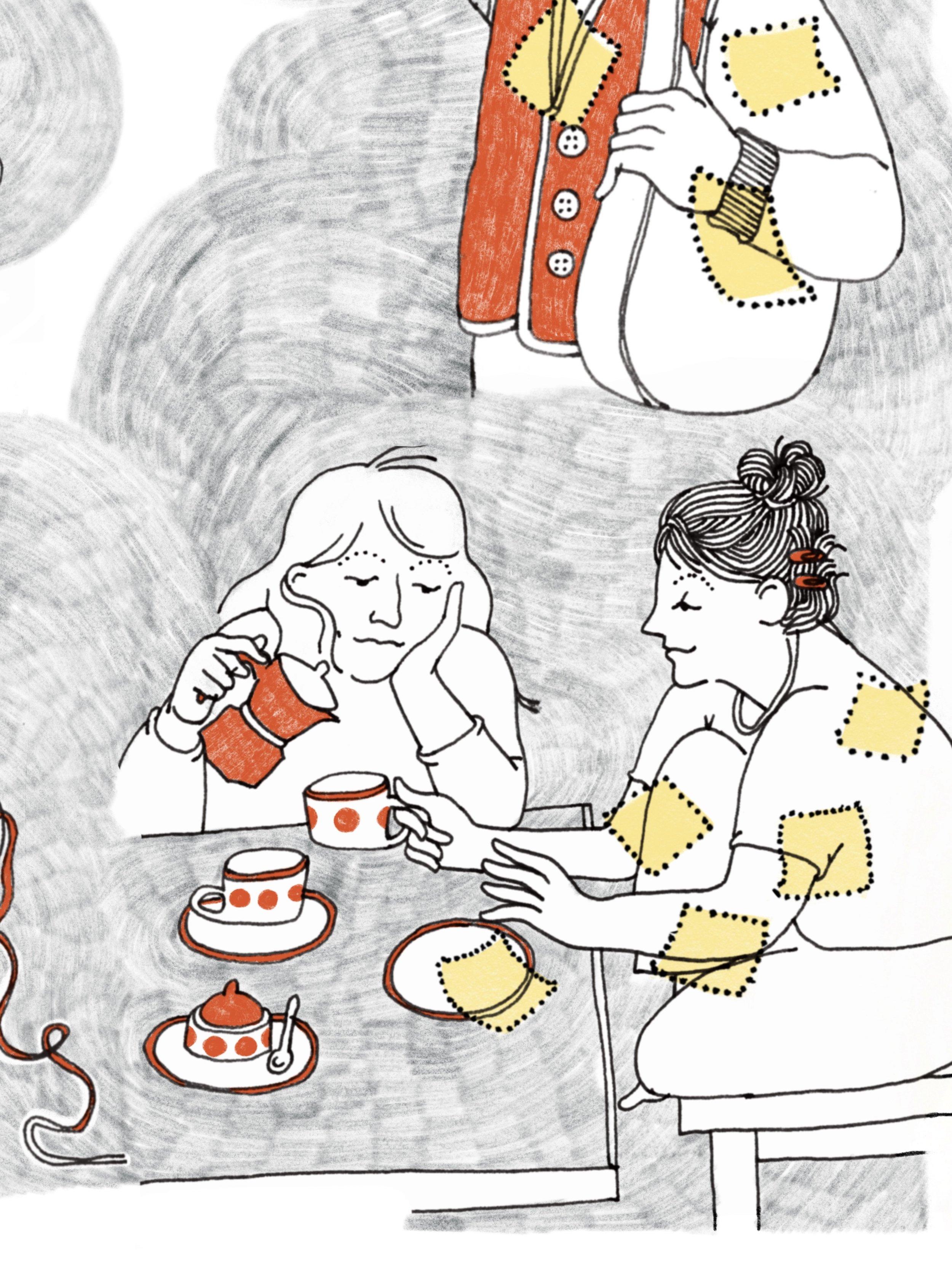
The antidote is deceptively simple: focus fully on one thing at a time and enjoy it. Meet the friend you’ve postponed for months, read a text or attend a lecture outside your immediate scope yet rich in perspective, linger over sketches that make no sense today but might inspire tomorrow. And above all, be gentle—with the work, with the process, and especially with yourself. Imagine being your own most loyal, patient companion. That cadence nurtures creativity; it does not consume it.
Mental well-being is not indulgence—it is the bedrock of authentic creation. One deliberate step at a time is not restraint; it is celebration. It is savoring both the act of making and the life that fuels it.